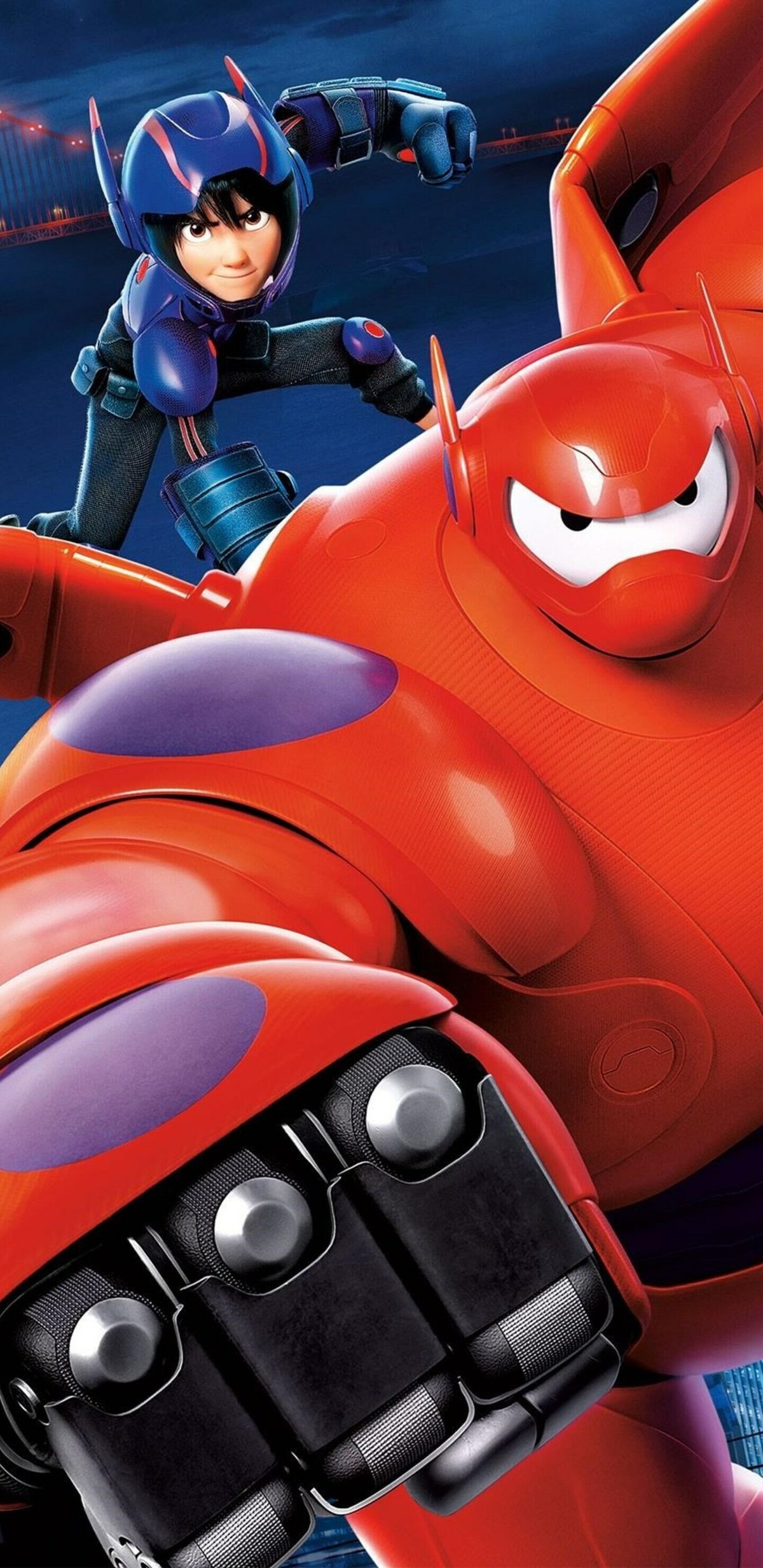
Beyond the sleek tech and high-flying action, the true superpower of Disney’s Big Hero 6 lies in its masterful portrayal of Relationships & Team Dynamics in Big Hero 6. It’s not just a story about a boy and his robot; it’s a profound study in how shared purpose, diverse personalities, and deep emotional bonds can transform grief into grit, and individuals into an unstoppable force. This film offers a masterclass in collaboration, empathy, and leadership that resonates far beyond the futuristic streets of San Fransokyo.
At a Glance: What Big Hero 6 Teaches Us About Teams
- Grief as a Catalyst: How a shared loss can unite disparate individuals and forge a common purpose.
- The Power of Empathy: Baymax demonstrates unparalleled empathetic listening, modeling how understanding emotional cues builds trust.
- Diverse Skill Sets Win: Each team member brings a unique genius, proving that varied perspectives and talents are essential for complex problem-solving.
- Communication is Key: Learning to listen, articulate needs, and process conflict openly drives team cohesion.
- Evolution of Leadership: Hiro's transformation from a grief-stricken lone wolf to a compassionate leader highlights the journey of effective team management.
- Shared Values Over Vengeance: The shift from individual retribution to protecting a community defines true heroism and collective strength.
The Genesis of a Heroic Collective: Beyond Bots and Brains
Every great team has an origin story, and for Big Hero 6, it’s steeped in both brilliance and profound loss. The vibrant, tech-infused world of San Fransokyo provides a stunning backdrop, but the heart of the narrative beats with raw human emotion. This isn't just about super suits; it's about finding connection when everything else feels shattered.
The Catalyst: Loss, Grief, and Unlikely Bonds
The journey begins with Hiro Hamada, a 14-year-old robotics prodigy, whose world is irrevocably altered by the sudden, tragic death of his older brother, Tadashi. Tadashi wasn't just a sibling; he was a mentor, a guide, and the embodiment of everything good and hopeful in Hiro's life. This loss plunges Hiro into a deep chasm of grief and anger, isolating him from the world.
Enter Baymax, Tadashi’s creation: an inflatable healthcare companion programmed to heal. Baymax isn't just an advanced piece of technology; he's the film's empathetic anchor. His sole directive—to help—becomes the catalyst for Hiro's slow, arduous path toward healing. Baymax observes Hiro’s verbal and non-verbal cues with unwavering attention, embodying the purest form of unbiased, empathetic listening. This interaction lays the groundwork for Hiro to eventually open up, not just to Baymax, but to the quirky, brilliant friends Tadashi left behind.
Initially, Hiro’s motivation is purely personal: vengeance against the mysterious masked villain, Yokai, whom he believes responsible for Tadashi’s death. This singular, often destructive, focus defines his early actions. But the slow integration of Tadashi's friends into his life begins to shift his perspective. They don't just offer sympathy; they offer a shared sense of loss, a common connection to Tadashi, and eventually, a new purpose. The formation of Big Hero 6 isn't a strategic corporate merger; it's a spontaneous combustion of grief, friendship, and a shared desire to honor a beloved memory.
The Six Pillars of San Fransokyo: Understanding Individual Contributions
A team is only as strong as its individual members and how they coalesce. Big Hero 6 masterfully showcases a diverse ensemble, each bringing unique skills, quirks, and emotional anchors. Understanding these individual contributions is key to appreciating the robust team dynamics at play.
Hiro Hamada: The Prodigy's Evolution from Isolation to Leadership
At the core of the team is Hiro, a mind buzzing with genius, but initially hobbled by immaturity and emotional turmoil. His talent for robotics is undeniable, evidenced by his battle bots and the microbots that eventually become a weapon. However, his initial attempts to lead are driven by rage and a singular thirst for revenge. This emotional volatility often puts him and the team at risk.
Over the course of the film, we witness Hiro's journey to leadership. He learns that true leadership isn’t about being the smartest or the most powerful; it’s about listening, trusting, and leveraging the strengths of others. His transformation is profound, shifting from a boy consumed by grief and anger into a compassionate, strategic leader willing to make sacrifices for the greater good. His arc powerfully illustrates that even the most brilliant individuals need emotional intelligence and interpersonal skills to lead effectively.
Baymax: The Heart of the Team, Empathy in Circuitry
Created by Tadashi, Baymax is more than just a robot; he’s the emotional core of the Big Hero 6 team. Programmed purely for medical assistance, he approaches every situation with a logical, unbiased, and deeply empathetic lens. He asks "Are you satisfied with your care?" even when the care extends far beyond physical ailments to profound emotional trauma.
Baymax's significance to team dynamics cannot be overstated. He models active listening, providing comfort, and continuously assessing the emotional state of others. While he lacks human emotion, his programming to care for humans makes him embody empathy in its purest form. He helps Hiro process his grief, not by telling him what to feel, but by being present, asking direct questions, and offering comfort. Baymax's ability to evolve from a passive helper to an active participant, even modifying his own programming for Hiro’s benefit, highlights technology's moral nuances and its potential for profound good. His simple yet profound Baymax’s iconic lines often cut to the emotional truth of a situation, disarming conflict and fostering understanding.
Go Go Tomago: Speed, Strategy, and Unyielding Resolve
Go Go is the epitome of cool confidence. Her motto, "Woman up!" reflects her no-nonsense, pragmatic approach to life and problem-solving. A mechanical engineering student specializing in electromagnetics, Go Go Tamago's tech prowess translates into her signature magnetic levitation disks, which she uses for both propulsion and defense.
In team dynamics, Go Go serves as the practical strategist and motivator. She's fearless and impatient with inefficiency, often pushing the team to act decisively. While initially skeptical of Hiro’s impulsive plans, she quickly commits when a clear mission emerges. Her speed and agility are not just physical attributes; they reflect her quick thinking and ability to adapt under pressure, making her invaluable in fast-paced situations. She challenges Hiro to think beyond his anger, reminding him of the practical implications of his choices.
Wasabi: Precision, Prudence, and the Voice of Reason
Wasabi, an applied physics student, is the meticulous, level-headed member of the group. His obsession with precision and order manifests in his laser-induced plasma blades and his almost neurotic attention to detail. He’s the one who parks his scooter perfectly, labels everything, and gets anxious at the slightest deviation from a plan.
Wasabi’s meticulous nature provides a vital counterpoint to Hiro's impulsiveness and Fred's chaos. He's the voice of caution, the one who considers all potential risks. While his anxiety can sometimes be a hindrance, his desire for thoroughness often prevents rash decisions and ensures that plans are well-thought-out. He grounds the team in reality and reminds them of the importance of safety and preparation. His careful consideration balances the team's risk-takers, fostering a more balanced approach to challenges.
Honey Lemon: Optimism, Innovation, and the Power of Positivity
Honey Lemon, a chemistry whiz at the San Fransokyo Institute of Technology, is the team's warm, optimistic heart. With her innovative "chem-balls" that can create various chemical reactions on impact, she embodies creative problem-solving and boundless enthusiasm. Her intellectual prowess is matched only by her unwavering positivity and nurturing spirit.
Honey Lemon is crucial for maintaining team morale. She sees the best in everyone and approaches challenges with an "anything is possible" attitude. Her emotional intelligence allows her to offer comfort and encouragement, particularly to a struggling Hiro. She believes in collaboration and creativity, and her ability to invent on the fly—often combining unexpected elements—mirrors the flexible, adaptable mindset essential for a dynamic team. For a deeper dive into her unique contributions, check out All About Honey Lemon.
Fred: The Fanboy, the Visionary, and the Unsung Catalyst
Fred is the self-proclaimed "comic book nerd" and the team's resident mascot, providing much-needed comic relief and a refreshing lack of self-seriousness. While he may seem initially out of place, Fred’s deep knowledge of superhero tropes, his surprising wealth, and his genuine enthusiasm are indispensable. He provides the team’s secret lair and helps them develop their superhero identities and gadgets.
Fred's quirky contributions extend beyond humor. He’s the one who articulates the very idea of becoming superheroes, pushing the team towards a larger purpose. His boundless imagination and unconventional thinking often spark creative solutions that others might overlook. Beneath his laid-back exterior is a loyal friend whose optimism and unwavering belief in the team’s potential keep spirits high, even in dire situations. He reminds them to enjoy the journey, not just the destination.
Forging a Unit: Dynamics That Define Success (and Struggle)
Bringing together such distinct personalities—a grieving prodigy, an empathetic robot, a pragmatic speedster, a meticulous physicist, an optimistic chemist, and a comic book enthusiast—is no small feat. The film excels in showing not just their individual strengths, but how their interactions, conflicts, and shared experiences shape them into a cohesive, heroic unit. The journey to becoming Big Hero 6 is fraught with challenges that highlight universal truths about teamwork. You can find a comprehensive review Big Hero 6 and its themes for more context.
Communication: The Invisible Glue
Effective communication is the bedrock of any successful team, and Big Hero 6 demonstrates this vividly. Initially, Hiro struggles to articulate his grief and anger, leading to impulsive actions. Baymax, with his programmed imperative to "assess your pain," becomes the conduit for Hiro to process his emotions. Baymax’s non-judgmental observations, particularly of non-verbal cues, underscore the importance of truly listening in communication, not just hearing.
As the team forms, communication shifts. There are moments of friction, like Go Go's impatience with Hiro's reckless driving or Wasabi's exasperation with chaos. However, they learn to voice concerns, offer constructive criticism, and most importantly, listen to one another. Honey Lemon's cheerful encouragement often bridges gaps, while Fred's outlandish ideas force everyone to think outside the box. It’s a messy, organic process, but essential for aligning their diverse perspectives toward a common goal.
Leveraging Diverse Strengths: More Than the Sum of Their Parts
The Big Hero 6 team isn't just a collection of smart people; it's a masterclass in synergy. Each member’s unique scientific specialty is transformed into a superhero power, and these powers are incredibly complementary.
- Hiro’s strategic mind and robotics expertise guide the overall plan and create their suits.
- Baymax’s flight and super strength provide raw power and mobility, alongside his crucial diagnostic abilities.
- Go Go’s speed and agility make her ideal for reconnaissance and quick strikes.
- Wasabi’s precision lasers are perfect for cutting through obstacles and creating precise paths.
- Honey Lemon’s chemical concoctions offer versatile offensive and defensive options, adapting to any situation.
- Fred’s powerful jump suit provides brute force and defensive capability, often surprising adversaries.
When they combine these abilities, they achieve feats impossible for any single member. For example, Honey Lemon creates a sticky chemical to slow down a rapidly moving target, allowing Go Go to get in close for an attack, while Wasabi clears the path and Hiro coordinates from above with Baymax. This illustrates that true team power comes not from individual strength, but from the intelligent integration of varied talents.
Navigating Conflict and Emotion: The Raw Edges of Collaboration
No team operates without conflict, especially when high stakes and personal emotions are involved. Hiro’s vengeance-driven mission leads to significant friction within the group. His decision to pursue the villain's true identity alone, overriding Baymax's medical protocols, and later, his near-fatal attempt to destroy Yokai, expose the raw edges of his grief and anger.
The team responds with concern, frustration, and eventually, unwavering support. They don't abandon Hiro in his darkest moments, but rather confront him, express their worries, and eventually rally around him to find a more constructive path. This willingness to lean into uncomfortable conversations and provide emotional backup, even when disagreeing, is a hallmark of a high-functioning team. It demonstrates that collaboration isn't about avoiding conflict, but about resolving it constructively and strengthening bonds through shared challenge.
The Role of Empathy and Support: Beyond the Mission
Beyond the action sequences, the heart of Big Hero 6 lies in its portrayal of emotional support. Baymax is the primary caregiver, constantly checking in on Hiro's physical and mental well-being. But Tadashi's friends also step into this role. They share stories of Tadashi, offer quiet companionship, and provide a sense of extended family. Aunt Cass, though not a field agent, provides the vital nurturing home environment, emphasizing the importance of family and emotional stability.
This web of support allows Hiro to grieve, heal, and eventually channel his pain into a heroic purpose. It's a powerful reminder that in any team, especially one under pressure, acknowledging and supporting each other's emotional well-being is just as crucial as executing tasks. A team that cares for its members beyond their functional roles is a team built to last.
Shared Purpose and Ethical Anchors: The True North of Big Hero 6
Initially, Hiro’s purpose is purely personal vengeance. However, as the team comes together, their mission subtly shifts. They discover that Professor Robert Callaghan, Hiro’s mentor, is the masked villain Yokai. This revelation complicates Hiro’s quest, turning a simple revenge fantasy into a complex ethical dilemma.
The team’s purpose evolves from helping Hiro catch a villain to protecting San Fransokyo from a dangerous threat. This transition from individual agenda to collective responsibility, guided by a shared moral compass, is a critical turning point. They become guardians, not just avengers. This move towards a greater good, even when it requires personal sacrifice (like Baymax’s selfless act), solidifies their bond and defines their heroism. It underscores the theme that true teamwork aligns individuals not just on tasks, but on core values and a shared ethical framework.
Lessons from San Fransokyo: Applying Big Hero 6 Dynamics to Real Life
The vibrant world of Big Hero 6 offers far more than entertainment; it provides a blueprint for understanding and cultivating effective team dynamics in any setting, from startups to classrooms, and even families.
Embrace Diversity of Thought and Skill
Imagine if Big Hero 6 was just five versions of Hiro—brilliant, yes, but also impulsive and prone to tunnel vision. Their strength comes from their differences. Go Go's pragmatism, Wasabi's meticulousness, Honey Lemon's optimism, and Fred's unconventional ideas all contribute to a holistic problem-solving approach.
- In your team: Actively seek out and value diverse perspectives. Don't just hire for skill; consider how different personality types and ways of thinking can enrich your collective intelligence. Encourage debate and diverse viewpoints.
Prioritize Empathetic Communication
Baymax is the ultimate model of empathetic listening. He doesn't interrupt, he doesn't judge, and he actively seeks to understand. This allows Hiro to feel truly heard and, eventually, to heal.
- In your team: Foster an environment where active listening is prized. Encourage team members to pay attention to both verbal and non-verbal cues. Practice asking clarifying questions rather than making assumptions. Sometimes, just being present and listening without offering immediate solutions is the most powerful form of support.
Cultivate a Culture of Psychological Safety
The Big Hero 6 team, despite their arguments, always has each other's backs. They call Hiro out when he's wrong, but they never abandon him. They create a space where it's okay to make mistakes, to be vulnerable, and to voice concerns without fear of retribution.
- In your team: Ensure everyone feels safe to speak up, share ideas, and admit errors. Leadership plays a crucial role here by modeling vulnerability and actively soliciting input from all members, not just the loudest voices. This safety allows for experimentation, learning, and ultimately, innovation.
Define a Clear, Shared Mission (Beyond Individual Agendas)
Hiro's initial goal was personal revenge. It wasn't until the team adopted the larger mission of protecting San Fransokyo that they truly became Big Hero 6. This shared, altruistic purpose transcended individual motives and forged an unbreakable bond.
- In your team: Clearly articulate your shared mission and values. Ensure every team member understands how their individual contributions align with this greater purpose. Regularly revisit and reinforce this mission to keep everyone aligned and motivated. When challenges arise, remind the team of their shared "why."
Support Emotional Well-being and Navigate Grief Together
The film's most poignant lesson is how grief, when processed with support, can lead to profound growth and connection. Baymax's role, alongside the friends', in helping Hiro heal, underscores that emotional support is not a luxury but a necessity for robust team dynamics.
- In your team: Acknowledge that team members are whole people with lives and emotions outside of work. Create channels for support, whether through formal wellness programs or simply fostering a culture of mutual care and understanding. Be prepared to navigate difficult emotions, offering compassion and practical support where appropriate. A team that cares for its members' humanity is a stronger team.
Common Questions About Big Hero 6 Team Dynamics
How does Big Hero 6 exemplify effective teamwork?
Big Hero 6 exemplifies effective teamwork through its portrayal of diverse skill sets, empathetic communication, and a shared, evolving purpose. Each character contributes unique talents that, when combined, create synergistic solutions. The team learns to navigate conflict, support each other emotionally, and prioritize a collective mission over individual agendas, demonstrating how a group of disparate individuals can become an unstoppable force through collaboration and mutual respect.
What role does Baymax play in team cohesion?
Baymax is the emotional anchor and catalyst for team cohesion. His empathetic listening, non-judgmental observations, and unwavering commitment to care help Hiro process his grief, which is foundational to the team's formation. Baymax models ideal communication, provides unbiased support, and acts as a stabilizing presence, preventing Hiro's anger from completely derailing the team. He helps bridge emotional gaps and ensures everyone's well-being is considered.
How does Hiro's leadership evolve throughout the film?
Hiro's leadership evolves dramatically. Initially, he's a reckless, grief-stricken prodigy driven by personal vengeance, often making impulsive decisions that endanger the team. As the story progresses, guided by Baymax and the support of his friends, he learns to listen, trust his teammates' diverse strengths, and value compassion over anger. His final act of sacrifice and the team's rally around a shared purpose demonstrate his growth into a mature, empathetic, and strategic leader who prioritizes the greater good.
What are the main challenges faced by the Big Hero 6 team?
The main challenges faced by the Big Hero 6 team include Hiro's initial unchecked grief and desire for vengeance, which leads to risky behavior and ethical dilemmas. They also grapple with internal conflicts stemming from their diverse personalities and approaches to problem-solving (e.g., Go Go's impatience vs. Wasabi's meticulousness). Externally, they face the technological threat posed by Yokai and the moral ambiguity of confronting a former mentor, which forces them to define their ethical boundaries as heroes.
Beyond the Screens: Building Your Own Heroic Team
The story of Big Hero 6 isn't just a thrilling adventure; it's a powerful narrative on the very essence of human connection and collective endeavor. You don't need microbots or chem-balls to build your own heroic team. What you do need is a willingness to understand, to empathize, and to value the unique contributions of every individual.
Take a page from Hiro, who learned to lead with his heart as much as his head. Embrace the Baymax within your group, fostering truly empathetic communication. Celebrate the diverse strengths of your Go Gos, Wasabis, Honey Lemons, and Freds, knowing that their combined talents far exceed what any one person can achieve. Recognize that even in the face of conflict or personal struggle, mutual support and a shared, meaningful purpose can transform challenges into triumphs.
Your team, whether it's a family, a project group, or a professional squad, has the potential for heroism. By applying these dynamics from San Fransokyo, you can forge bonds that are resilient, purposes that are profound, and results that are truly remarkable. Go forth, listen, connect, and build your own Big Hero 6.